A Complete Guide to Construction Traffic Control Plan Implementation

SS Traffic Control Designs
When it comes to roadwork, construction, or public infrastructure projects, having a well-structured Traffic Control Plan Design is essential. It ensures the safety of workers, drivers, and pedestrians while maintaining efficient traffic flow around construction zones. In San Diego County, professional planning and compliance with local regulations make all the difference — and that’s where SS Traffic Control Designs LLC stands out.
Understanding Construction Traffic Control Plan Design
A Traffic Control Plan (TCP) outlines how vehicles, equipment, and pedestrians will safely navigate around or through a construction area. The purpose of traffic control plan design is to minimize disruptions, prevent accidents, and ensure compliance with local, state, and federal standards.
In construction zones, even a minor miscalculation in layout or signage can lead to confusion and risk. That’s why expert planning is crucial to ensure every detail — from warning signs to detours — is carefully implemented.
Key Components of a Traffic Control Plan Design
1. Site Assessment and Analysis
Before designing the plan, professionals conduct a detailed site inspection to understand traffic patterns, road geometry, and nearby access points. This information forms the foundation for an effective traffic control plan.
2. Signage, Barricades, and Markings
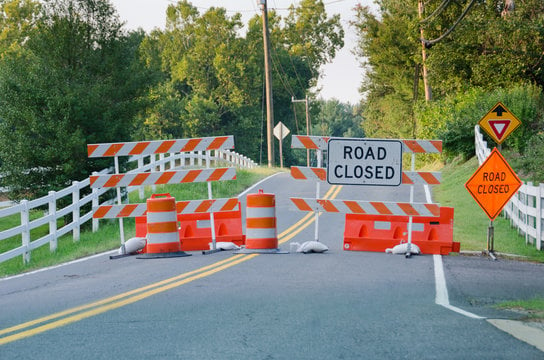
Clear communication with road users is vital. Proper placement of warning signs, cones, and barricades helps guide drivers safely through construction areas. Every sign must follow the Manual on Uniform Traffic Control Devices (MUTCD) and Caltrans guidelines.
3. Lane and Multi-Lane Closure Layouts
For larger projects such as highway or intersection work, multi-lane closure design is often required. It ensures smooth traffic diversion without causing congestion or confusion.
4. Detour and Access Management
A professional traffic control plan design includes alternate routes or detours that help drivers reach their destinations without significant delay. These routes must be easy to follow and clearly marked.
5. Safety Zones and Buffer Areas
Creating safe working zones between active traffic lanes and construction crews minimizes risk. Proper buffer zones and crash protection setups are essential to protect both workers and drivers.
How to Implement a Traffic Control Plan
Step 1: Planning and Site Evaluation
Every project begins with a full assessment of site conditions, expected traffic volume, and potential hazards. This ensures that the final design meets both safety and regulatory standards.
Step 2: Custom Traffic Control Plan Design
Once data is collected, specialists at SS Traffic Control Designs LLC create detailed drawings showing signs, cones, lane shifts, and detour paths. The design focuses on maintaining optimal safety and efficiency.
Step 3: Permit Submittal and Approval
Before implementation, the plan must be approved by local authorities such as Caltrans or San Diego County Public Works. A professional company prepares all documents and submits them for approval — saving time and avoiding costly delays.
Step 4: On-Site Setup and Monitoring
After approval, field crews install signage and barriers exactly as outlined in the plan. Continuous monitoring ensures adjustments can be made if traffic conditions change during the project.
Step 5: Post-Project Evaluation
Once construction is complete, a review ensures that all components are effective, compliant, and efficient.
Common Challenges in Traffic Control Plan Implementation
-
Permit Delays: Incomplete applications or non-compliant designs can delay approvals.
-
Changing Conditions: Weather or unforeseen events can alter traffic behavior.
-
Poor Communication: Lack of coordination between contractors, engineers, and local agencies often leads to inefficiencies.
-
Safety Oversights: Small errors in layout or signage can create big safety hazards.
Partnering with experienced professionals like SS Traffic Control Designs LLC helps eliminate these challenges and ensures smooth implementation from start to finish.
Best Practices for Effective Traffic Control Plan Design
-
Prioritize safety and regulatory compliance over convenience.
-
Use advanced design software for accuracy and clarity.
-
Maintain communication between all project stakeholders.
-
Conduct periodic on-site inspections and updates.
-
Always document changes for regulatory transparency.
With professional expertise, every aspect of the traffic control plan design can be handled seamlessly, ensuring both safety and project efficiency.
Compliance Standards in San Diego County
In San Diego County, traffic control plan design must adhere to Caltrans and MUTCD standards. This includes proper lane configurations, spacing for cones and signs, and maintaining safe pedestrian access. Working with an experienced firm ensures that your plan meets every requirement, preventing costly rejections or delays.
Why Choose SS Traffic Control Designs LLC
SS Traffic Control Designs LLC is a trusted provider of professional traffic control plan design services in San Diego County. With a focus on precision, compliance, and safety, the company helps contractors, engineers, and municipalities develop reliable plans that get approved quickly.
From lane closure layouts to permit submittals and revisions, SS Traffic Control Designs delivers solutions that keep projects running smoothly while maintaining public safety.
Conclusion
Implementing a well-designed construction traffic control plan is essential for ensuring safety and efficiency in every road project. From site analysis to final approval, each step requires expertise, precision, and compliance with strict regulations.
For expert traffic control plan design in San Diego County, trust SS Traffic Control Designs LLC — where safety, accuracy, and reliability come first.