
Traffic control plans play a major role in keeping roads safe, especially during construction and maintenance work. These plans guide drivers, protect workers, and help keep traffic flowing smoothly. When construction site traffic control is planned properly, it reduces confusion, prevents accidents, and makes work zones safer for everyone. This guide explains why traffic control plans matter and how they help maintain road safety.
Understanding Traffic Control Plans
Traffic control plans are detailed layouts that show how vehicles and pedestrians should move around a work zone. They include signs, cones, barriers, lane closures, flaggers, detours, and safety equipment. These plans are used by contractors, engineers, and city authorities to ensure that every project complies with safety rules.
Why They Matter for Construction Site Traffic Control
Construction zones can be risky areas. Heavy equipment, narrowed lanes, reduced speed limits, and unexpected road changes can confuse drivers. A clear traffic control plan organizes these areas so drivers know exactly what to do, and workers stay safe while performing their jobs.
The Importance of Traffic Control Plans for Road Safety
Traffic control plans make roads safer by reducing hazards caused by construction activities. When a road is under repair or a lane needs to be closed, drivers must receive immediate and clear instructions. This is where construction site traffic control becomes important.
Preventing Accidents
Clear signs, proper lane shifts, and visible barriers help drivers react in time. This reduces sudden stops, sideswipes, and rear-end collisions that often happen in work zones.
Keeping Traffic Moving
A good plan doesn’t just focus on safety—it also manages traffic flow. By planning detours, temporary lane changes, or controlled stops, traffic moves smoothly even during major construction projects.
Protecting Workers and Pedestrians
Workers rely on safe zones and proper barriers. Pedestrians also need designated walkways when sidewalks are blocked. Traffic control plans ensure everyone on or near the road stays protected.
Core Components of an Effective Traffic Control Plan
Every safe and successful work zone includes key elements that guide and protect road users.
Road Signage and Placement
Signs such as “Road Work Ahead,” “Lane Closed,” or “Detour” help drivers prepare for changes ahead. Good placement ensures drivers see signs early enough to adjust safely.
Lane Closures and Diversions
Whether it’s a single-lane shift or a multi-lane closure, proper design keeps traffic organized. Construction site traffic control often depends on clear lane-marking, cones, and barricades.
Flagging Operations
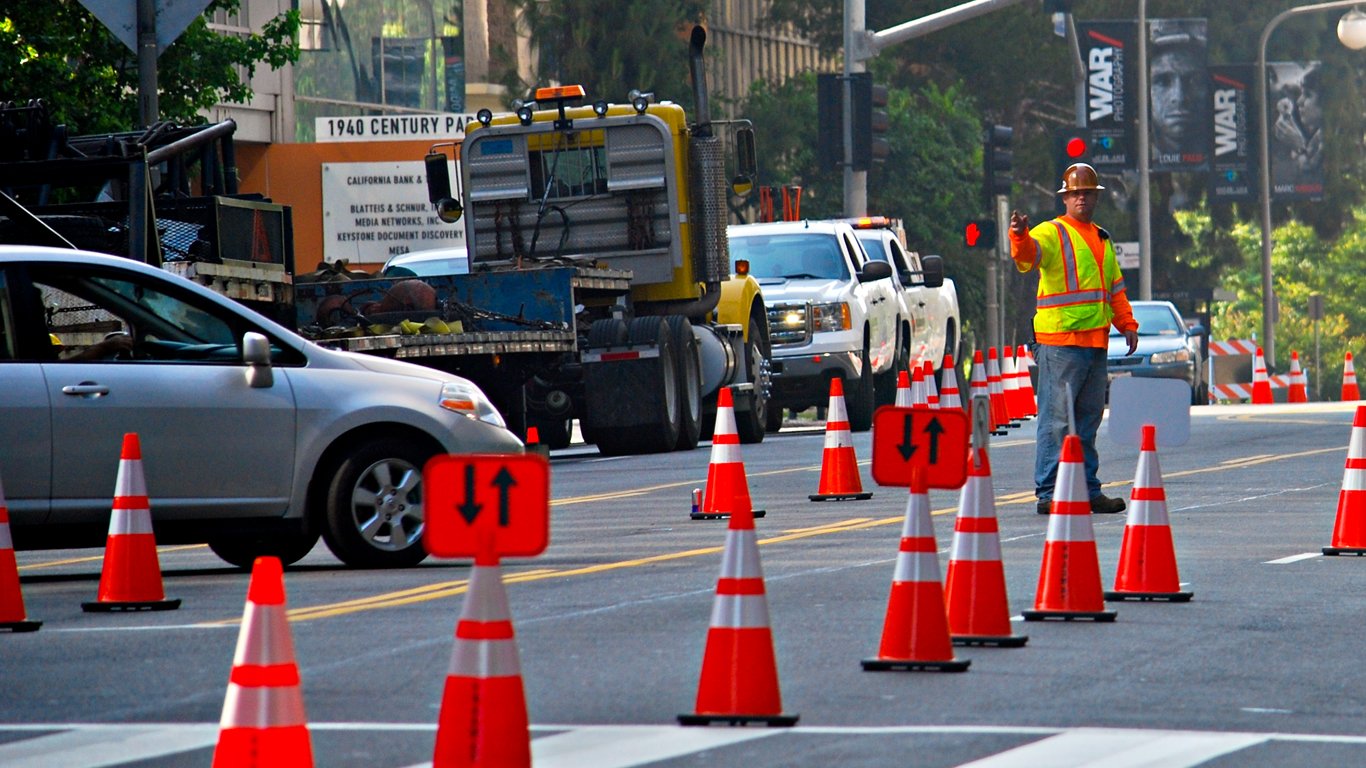
Flaggers help control traffic in areas with heavy machinery or limited visibility. Their signals must follow state guidelines to ensure consistency and safety.
Safety Equipment
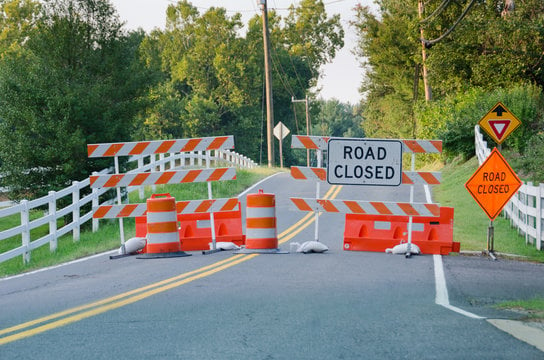
Barriers, barricades, warning lights, and reflective materials increase visibility. These tools are essential during night work or low-light conditions.
Compliance With Local Regulations
Traffic control plans must follow city, county, and state rules. This ensures consistency across all work zones and reduces approval delays.
How Traffic Control Plans Improve Driver Awareness
Drivers rely on signs and signals to understand what is happening ahead. A clear traffic control plan increases awareness and reduces panic or confusion.
Warning Signs
Signs placed far enough ahead give drivers time to slow down or change lanes safely.
Clear Messaging
Simple, direct instructions work best. Arrows, cones, and barricades guide drivers smoothly through or around construction zones.
Speed Control
Reduced speed limits in work zones keep both drivers and workers safe. Enforcement signs remind drivers to stay alert.
Steps to Creating a Safe and Compliant Traffic Control Plan
A strong traffic control plan starts with understanding the project and its surroundings.
Site Assessment
The area is reviewed to find risks, traffic patterns, and space limitations.
Identifying Hazards
Narrow lanes, blind spots, or high-speed traffic all require different control methods.
Designing the Layout
This includes the arrangement of signs, cones, detours, flaggers, barriers, and pedestrian paths.
Coordination With Authorities
Plans are submitted to local agencies for approval. This is important for construction site traffic control because the rules vary by location.
Updating the Plan
As work progresses, conditions change. Plans are revised to match new hazards, lane changes, or project phases.
Common Mistakes to Avoid
Even small errors can lead to major problems in a busy work zone.
Poor Sign Placement
If signs are too close or not visible, drivers cannot react in time.
Lack of Communication
Workers and agencies must stay updated to prevent confusion or unsafe changes.
Ignoring Regulations
Not following local rules can delay permits and increase safety risks.
Not Updating the Plan
Work zones change, and the plan must reflect these updates to stay safe.
The Role of Professional Traffic Control Services
Hiring experts can make a big difference in safety and project success. Professional teams understand regulations, know how to design safe layouts, and help get faster approvals. This leads to safer work zones and fewer delays.
Conclusion
Traffic control plans are essential for safe and efficient road construction. They protect workers, guide drivers, and ensure the project follows all safety standards. With proper planning and strong construction site traffic control, every work zone becomes safer and more organized for everyone.