Guide to Safety Traffic Control for Highway and Roadway Work

SS Traffic Control Designs
A safety traffic control layout is one of the most important parts of any roadway or highway project. Whether it’s a construction zone, lane closure, or maintenance job, the layout determines how drivers move, how workers stay protected, and how smoothly traffic flows. A well-planned layout reduces accidents, prevents confusion, and ensures every project meets safety and compliance standards.
Understanding the Safety Traffic Control Layout
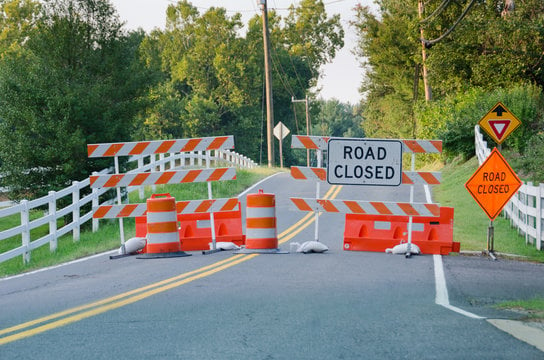
A safety traffic control layout is a structured plan that organizes signs, cones, barriers, and traffic flow patterns around a work zone. Its goal is to protect workers, guide drivers, and keep everyone safe. These layouts follow strict guidelines from MUTCD, Caltrans, and local agencies, ensuring that every road project is both safe and compliant.
What Makes a Safety Traffic Control Layout Important?
A proper layout increases visibility, provides early warnings to drivers, and builds a protected work environment. It reduces the risk of collisions, helps maintain steady traffic flow, and ensures that workers can move confidently within the job site. Without a proper layout, confusion and hazards increase dramatically.
Essential Elements of a Safety Traffic Control Layout
A complete safety traffic control layout includes several key areas that work together to create a safe work zone.
Advance Warning Area
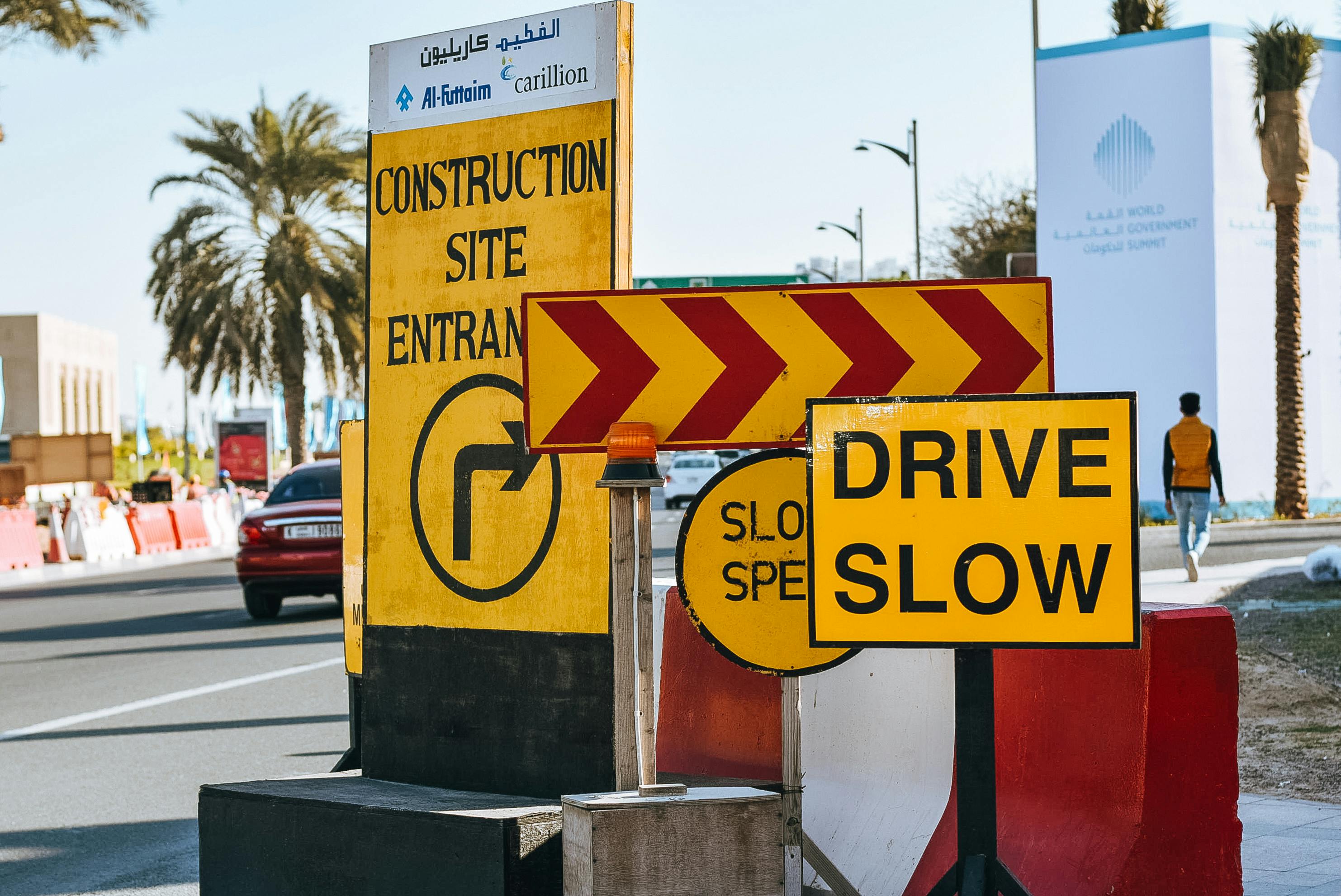
This is the first section drivers encounter. Signs such as “Road Work Ahead” or “Lane Closed” must be placed at the right distance to give drivers enough time to react. Proper spacing and visibility are critical for safety.
Transition Area
In this section, traffic is directed away from the work zone using tapers, cones, and channelizers. The length and spacing must match the speed of the roadway to prevent sudden or unsafe lane changes.
Buffer Space
This area provides extra protection between moving vehicles and workers. It reduces the risk of impact and gives crews a safe space to work without being directly next to traffic.
Work Area
This is where crews, equipment, and materials are placed. A good safety traffic control layout keeps the work area organized, visible, and protected by signs and barriers.
Termination Area
This final section guides drivers back into the normal flow of traffic. Proper sign placement and spacing help drivers readjust smoothly and safely.
Planning an Effective Safety Traffic Control Layout
Designing the right layout requires careful planning and an understanding of roadway conditions.
Site Assessment
Before creating a layout, the designer must evaluate traffic speed, the number of lanes, road width, lighting conditions, and the type of work being performed. Each roadway and highway project requires a unique approach.
Choosing the Right Layout
Depending on the project, the layout may involve lane closures, flagging operations, detours, shoulder closures, or slow-moving work areas. Choosing the proper layout ensures safe and predictable traffic movement.
Designing for Compliance
All safety traffic control layouts must meet MUTCD and Caltrans standards. Designers must also ensure proper spacing, accurate signage, and enough buffer room to protect workers. Many projects require permits, so the layout must meet agency requirements before approval.
Common Mistakes to Avoid
Even small mistakes can lead to major safety risks. Avoiding these errors helps keep the work zone secure:
Incorrect Sign Placement
Signs placed too close, too far, or out of sequence can confuse drivers and cause sudden stops or dangerous maneuvers.
Insufficient Buffer Zones
A missing or small buffer area increases the risk of vehicles entering the work space.
Poor Visibility
Missing lights, faded signs, or improper night time equipment can make a work zone nearly invisible after dark.
Using Outdated Equipment
Old cones, damaged signs, and worn-out barriers reduce professionalism and safety.
Best Practices for Highway and Roadway Work
Following proven safety practices ensures a reliable and compliant traffic control layout.
Regular Layout Updates
Roadway conditions can change quickly. The layout should be adjusted based on traffic, weather, and project progress.
Daily Safety Checks
Inspecting cones, signs, barricades, and distances each day helps catch problems before they become hazards.
Training for Workers
Flagging, communication, and awareness training are essential for anyone working in a live traffic environment. Proper training reduces accidents and enhances job coordination.
The Role of Professional Designers
Professional traffic control designers play a key role in creating safe and accurate layouts. They understand state and federal guidelines, utilize AutoCAD for precise planning, and are familiar with the requirements of each type of work zone. Their expertise helps prevent delays, speeds up permit approvals, and ensures every layout meets compliance standards.
Conclusion
A safety traffic control layout is the foundation of a safe and successful highway or roadway project. With proper planning, clear communication, and compliance with regulations, work zones become safer for both drivers and workers. Whether it’s a lane closure, construction site, or maintenance project, the right layout ensures smooth traffic flow and reduces risks. Prioritizing safety traffic control is essential for protecting lives, maintaining efficiency, and keeping every project on track.